
Why is Greenland Important? 6 Key Facts About Greenland
Welcome to The Great Expedition Company Blog!
In the Great Expedition Blog, we cover and discuss all manner of topics, issues and things to think about when it comes to Greenland, Iceland and the polar regions (Arctic and the Antarctic). We do hope you can benefit from our expedition and travel experience in these areas and use the information found here to make choices about your future travel plans that suit you perfectly. The information contained herein expresses no political or ideological opinions of any kind.
TLDR
Greenland is important because it sits at the center of global climate change, Arctic geopolitics, emerging shipping routes, and critical natural resources. As the Arctic warms faster than any other region on Earth, Greenland’s role in shaping the planet’s future has grown dramatically. There is much more elaboration on these topics below if you dare to extend yourself past the TLDR.
Climate and Geopolitics of the Arctic Explained
1/6 Greenland’s Strategic Location in the Arctic
Greenland sits between North America and Europe, directly along the shortest air and sea routes connecting the two continents. This makes it a natural crossroads for:
Key fact about Greenland:
Over 90% of all transatlantic air traffic passes through airspace monitored from the Arctic region, with Greenland positioned at its center.
Military and defense monitoring
Transatlantic shipping
Arctic airspace control
Satellite and radar systems
As Arctic ice melts, new shipping routes are opening across the polar region. These routes can significantly reduce travel time between Asia, Europe, and North America: Greenland happens to sit right beside them. Greenland lies along the GIUK Gap (Greenland–Iceland–UK), a critical maritime and air corridor used for monitoring movement between the Arctic and the Atlantic. This location alone gives Greenland outsized importance in global security and trade.
Modern Arctic strategy is not just about ships. Other factors include:
missile early-warning systems
satellite tracking
undersea cables and communications
As polar ice retreats, Arctic shipping is no longer theoretical. Seasonal commercial transit is already increasing, which raises:
insurance concerns
safety and rescue needs
regulatory and sovereignty questions over territory witch hitherto has been a moot point.
2/6 Greenland and Climate Change: Why the Ice Matters
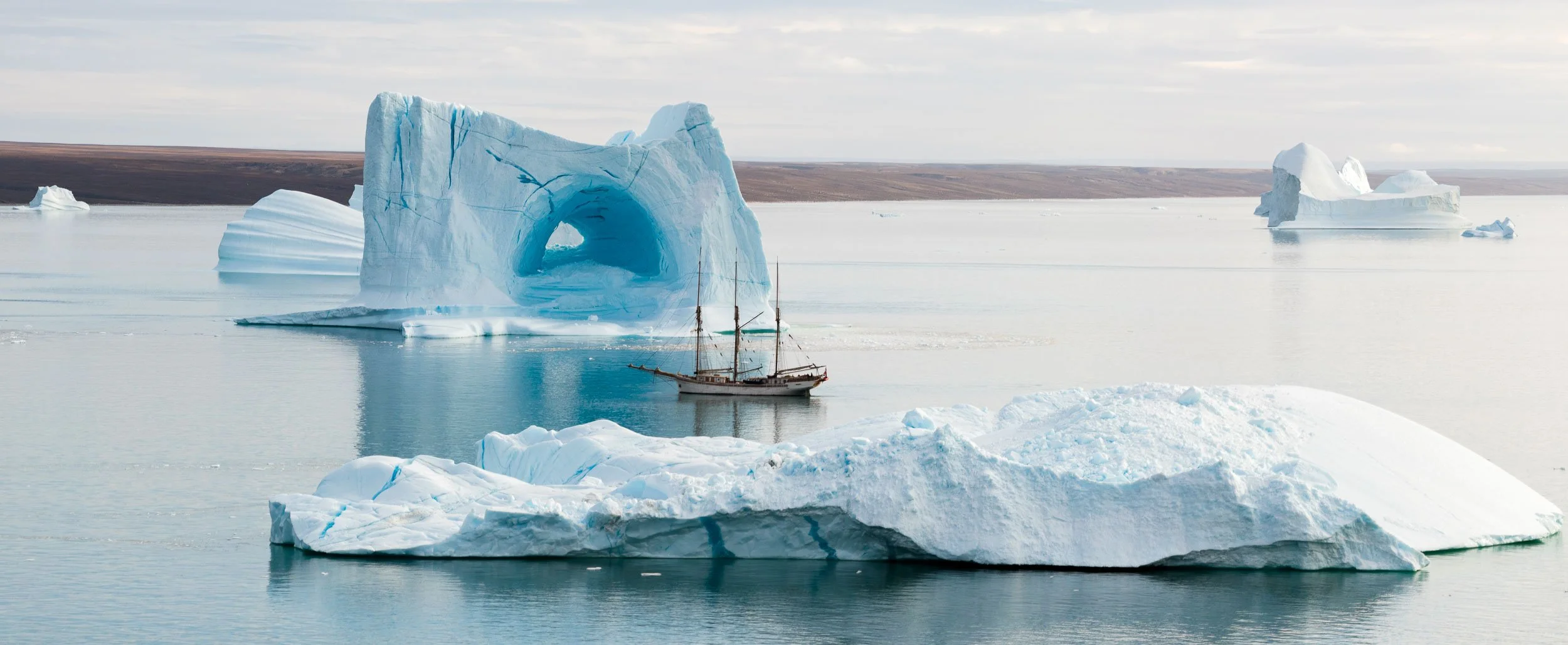
Greenland is home to the second-largest ice sheet in the world, covering over 80% of the island.
Why this matters:
The Greenland ice sheet holds enough frozen water to raise global sea levels by over 7 meters
It is melting faster than scientists previously predicted
Meltwater affects global ocean circulation, including the Atlantic system that helps regulate weather in Europe and North America.
Key fact:
Greenland holds 10% of the world’s fresh water supply, and is currently losing hundreds of billions of tons of ice per year, contributing measurably to global sea-level rise every single year.
What happens in Greenland does not stay in Greenland, and the local rapidly becomes global. Sea-level rise, extreme weather, and climate instability around the world are directly connected to changes happening on this island.
Greenland’s ice sheet is unique because:
it sits at lower latitudes than Antarctica
it is exposed to warmer ocean currents
surface melt accelerates internal ice flow
Meltwater from Greenland doesn’t just raise sea levels. It may weaken the Atlantic Meridional Overturning Circulation (AMOC), which helps stabilize:
European winters
North Atlantic storm systems
Scientists increasingly use Greenland as an early-warning system for global climate tipping points.
3/6 Natural Resources and Economic Importance
As ice retreats, both on land and at sea, Greenland’s natural resources are becoming more accessible:
Rare earth elements (used in electronics and renewable energy). See below.
Critical minerals for batteries and green technology
Potential offshore oil and gas reserves
Fisheries in newly ice-free waters
Key fact about Greenland:
Greenland is estimated to contain significant deposits of rare earth elements, which are critical for electric vehicles, wind turbines, smartphones and military technology: resources currently dominated by a handful of countries. These include Antimony [Sb], Baryte [BaSO4], Beryllium [Be], Bismuth [Bi], Chromium [Cr], Cobalt [Co], Copper [Cu], Feldspar, Fluorite [CaF2], Gallium [Ga], Germanium [Ge], Graphite [C], Hafnium [Hf] and Zirconium [Zr], Lithium [Li], Molybdenum [Mo], Niobium [Nb] and Tantalum [Ta], Platinum Group Metals [PGM: Pt, Pd, Rh, Ru, Ir, Os], The Rare Earth Elements (REE) comprise the lanthanides Lanthanum [La], cerium [Ce], prase-odymium [Pr], neodymium [Nd], promethium [Pm], samarium [Sm], europium [Eu], gadolinium [Gd], terbium [Tb], dysprosium [Dy], holmium [Ho], erbium [Er], thulium [Tm], ytterbium [Yb] and lutetium [Lu] and in addition the elements yttrium [Y] and scandium [Sc].
These resources are crucial for the global transition to clean energy. Competition over access to these resources is increasing rapidly and many countries are beginning to tightly control their respective supplies of these minerals.
Greenland’s future economy, independence debates, and international partnerships are deeply tied to how (and whether) these resources are developed. Below are some more points to consider regarding Greenland’s natural resources and Economic Importance.
Greenland’s mineral profile aligns directly with global energy transition needs, including:
rare earth elements (see above)
graphite
lithium-related inputs
Unlike many resource-rich regions, Greenland faces:
extreme logistical challenges
high environmental sensitivity
Difficult weather conditions
strong public resistance to extractive projects
This makes Greenland a case study in a global dilemma:
Can clean-energy materials be extracted without repeating the environmental damage of past resource booms?
In fact, there is a high likelihood that the majority of Greenland’s mineral resources will be nearly or completely inaccessible even allowing for a warming planet.
4/6 Greenland’s Role in Global Geopolitics
Interest in Greenland is not new, but it has intensified in recent years.
Why?
The Arctic is becoming a new geopolitical frontier
Major powers want influence over Arctic infrastructure and resources
Military presence in the Arctic is increasing
Climate change has turned Greenland from remote to central
Greenland’s position makes it strategically valuable for defense, monitoring, and diplomacy in the Arctic region.
This is why Greenland frequently appears in discussions about Arctic security, NATO strategy, and great-power competition, even though it has a small population of just 57,000 people. Arctic geopolitics is shifting from cooperation to managed competition and is becoming increasingly multipolar.
Greenland matters because:
it anchors Western presence in the High Arctic
it provides geographic continuity between North America and Europe
it complicates any single power’s dominance of Arctic routes
Greenland’s geopolitical value has increased without Greenland seeking it: attention is externally driven.
Key fact:
The Arctic is warming nearly four times faster than the global average, accelerating military, commercial, and strategic activity across the region, increasing Greenland’s geopolitical relevance accordingly.
5/6 Greenland’s People, Culture, and Political Future
Despite its global importance, Greenland remains home to just about 56,000 people, most of whom are Inuit, descendants of the Thule people.
Key points many people miss:
Greenland has self-rule/home rule, managing most of its domestic affairs
Cultural preservation and environmental protection are central political issues
Debates about economic development vs. environmental risk are ongoing
Climate change directly affects traditional livelihoods like fishing and hunting
Climate change is not abstract for Greenlanders:
thinning ice affects travel routes
changing fish stocks affect livelihoods
infrastructure built on permafrost is destabilizing
Political debates often revolve around:
economic self-sufficiency
cultural preservation
environmental protection vs. development
Greenland’s importance creates a paradox:
The island is globally significant, but its people must live with the consequences of global decisions.
Greenland is not just a strategic asset. It is a living society facing rapid change.
Key fact:
Greenland has a population of around 56,000 people, yet it influences climate systems, security strategy, and economic planning that affect billions worldwide.

Key fact:
Scientists estimate that over half of Greenland’s surface now experiences seasonal melting, a threshold that did not exist at this scale just a few decades ago.
6/6 Why Greenland Matters Right Now
Greenland is important now because several global trends are converging at once:
Accelerating climate change: Climate systems are changing faster than governance systems
Opening Arctic shipping routes: Arctic infrastructure is underdeveloped but suddenly essential
Growing demand for critical minerals: Demand for critical minerals is accelerating faster than supply chains
Increased geopolitical competition:Indigenous voices are gaining global visibility at the same time pressure is increasing
Global focus on sustainability and indigenous rights
Few places on Earth sit at the intersection of all these forces.
Why does Greenland Matter?
Greenland matters now because it reveals how climate change, geopolitics, economics, and human societies collide in real time, not in theory.
All of this global attention — climate change, geopolitics, strategy — can make Greenland feel distant, abstract, or even overwhelming.
But on the ground, Greenland is something very different. It is silence, scale, light, and time moving at a slower pace. It is vast landscapes shaped over millennia, small communities with deep-rooted traditions, and a natural world that still feels profoundly intact.
Experiencing Greenland firsthand shifts the perspective. It turns headlines into places, and global issues into something tangible, human, and real. That is why we believe that responsible travel , done thoughtfully and respectfully , that is to say, with local engagement and involvement, is one of the most meaningful ways to understand why Greenland matters. Thoughtful expeditions offer a different kind of connection; one grounded in respect for fragile environments, local communities, and the realities of life in the Arctic. Seeing Greenland up close creates understanding that no article or map can provide.
For those who want to move beyond headlines and experience Greenland in a meaningful way, traveling responsibly is not just an adventure : it’s a form of learning.
Make Greenland important for you: These are our Greenland Expeditions for 2026:
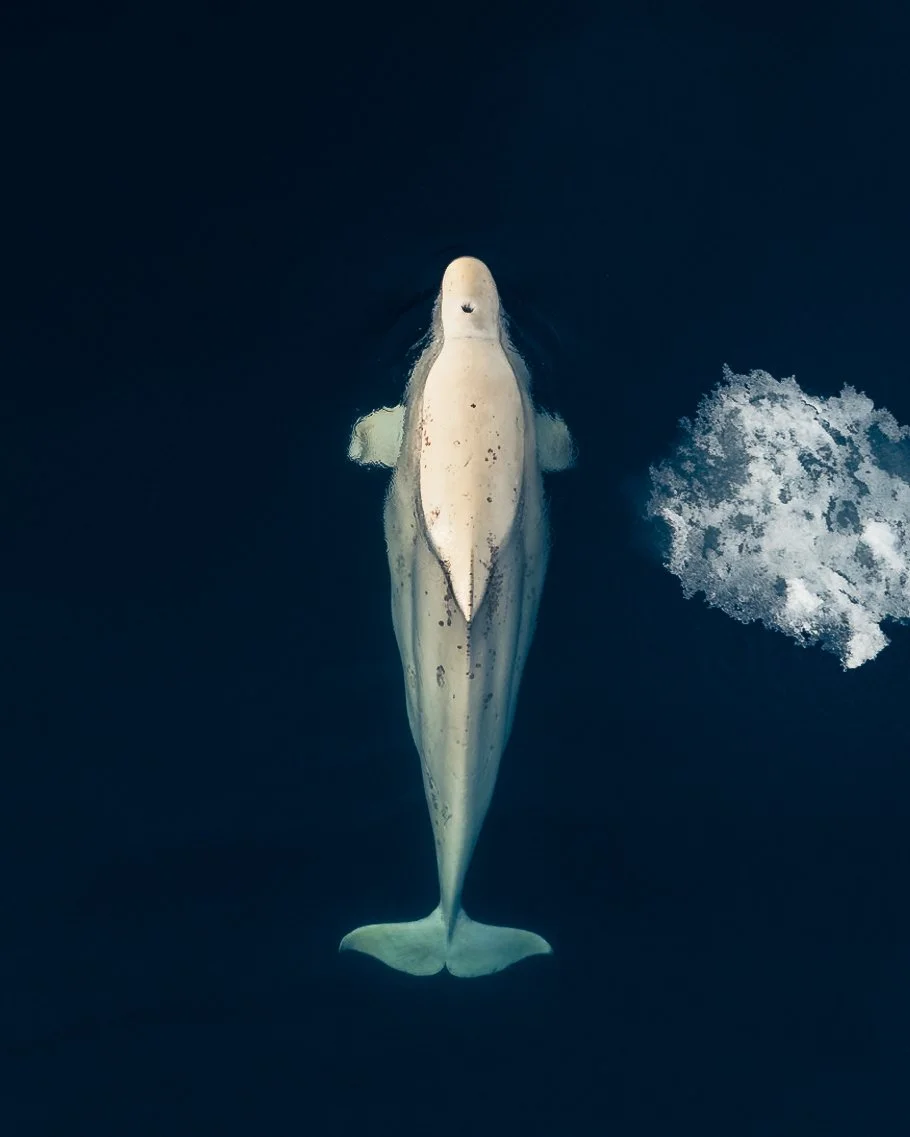
Beluga whales, Svalbard
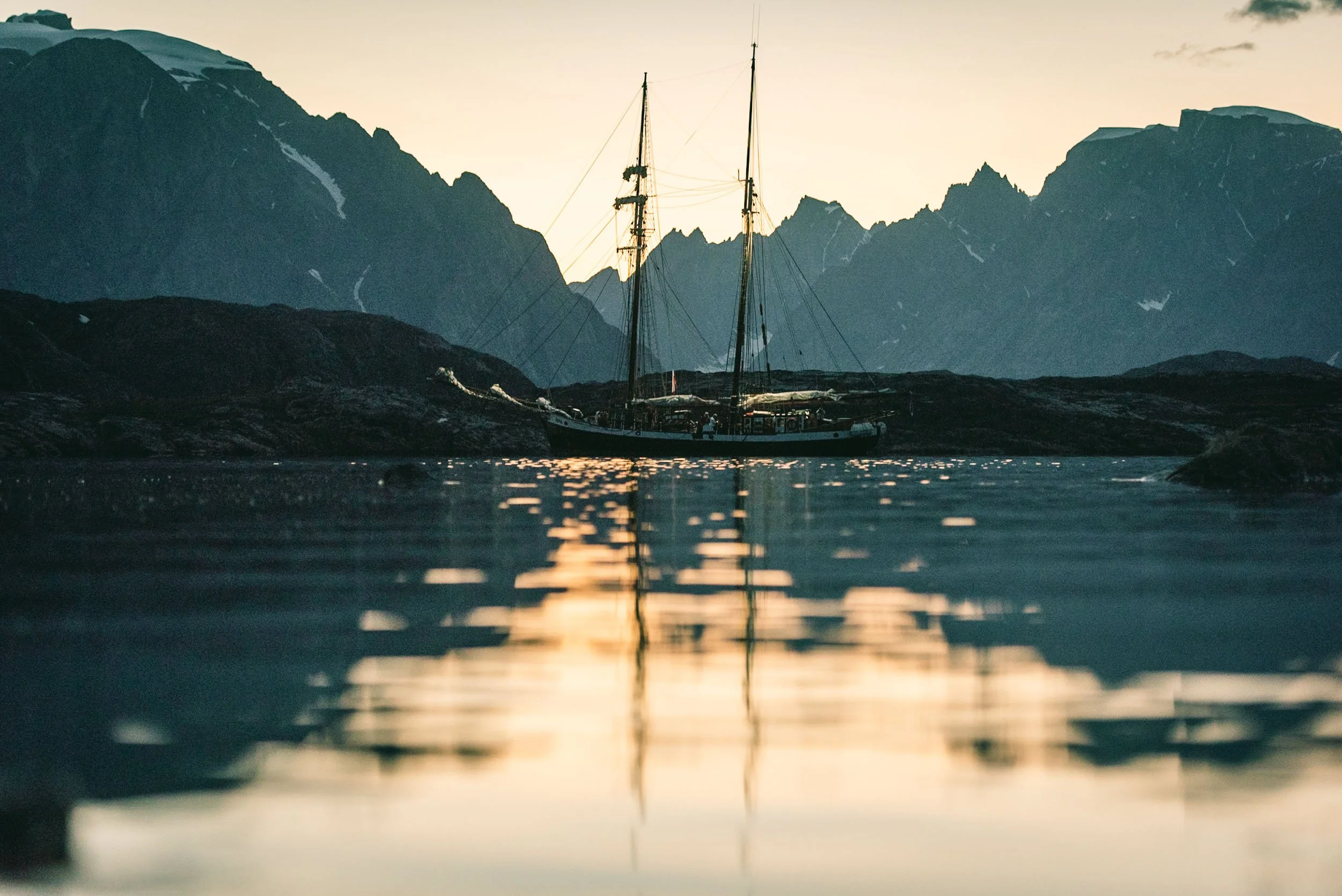
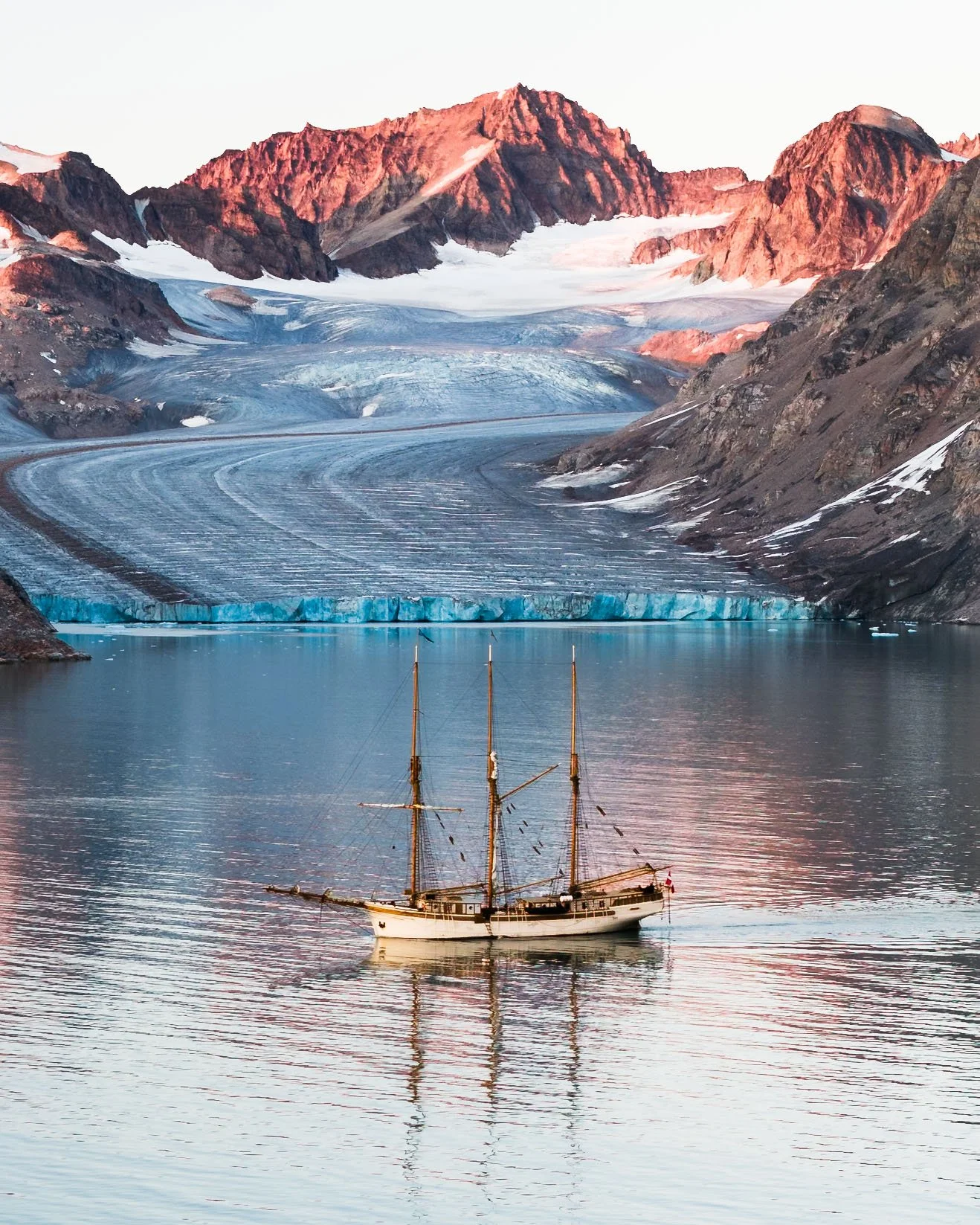
Sunset in Greenland
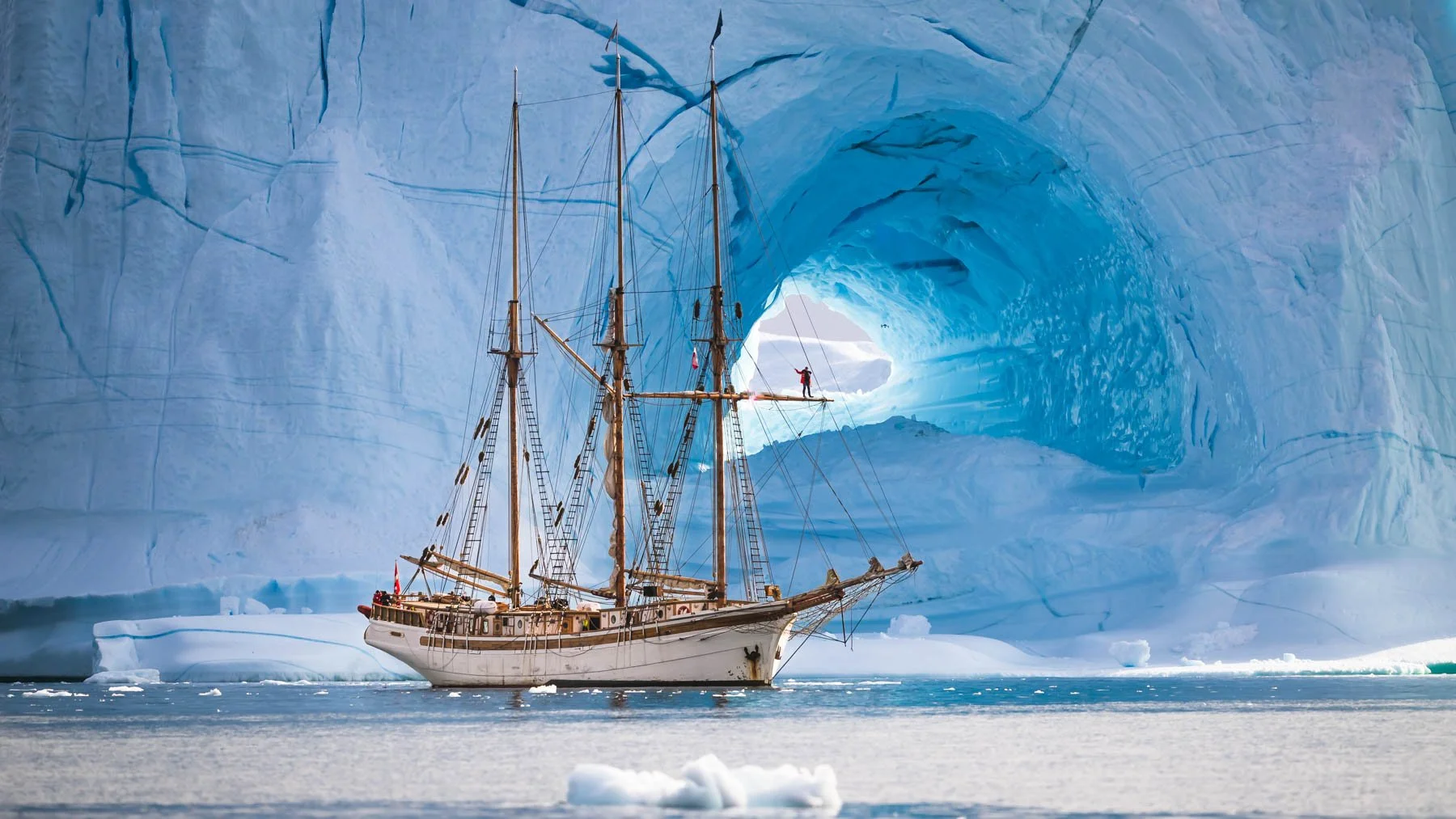
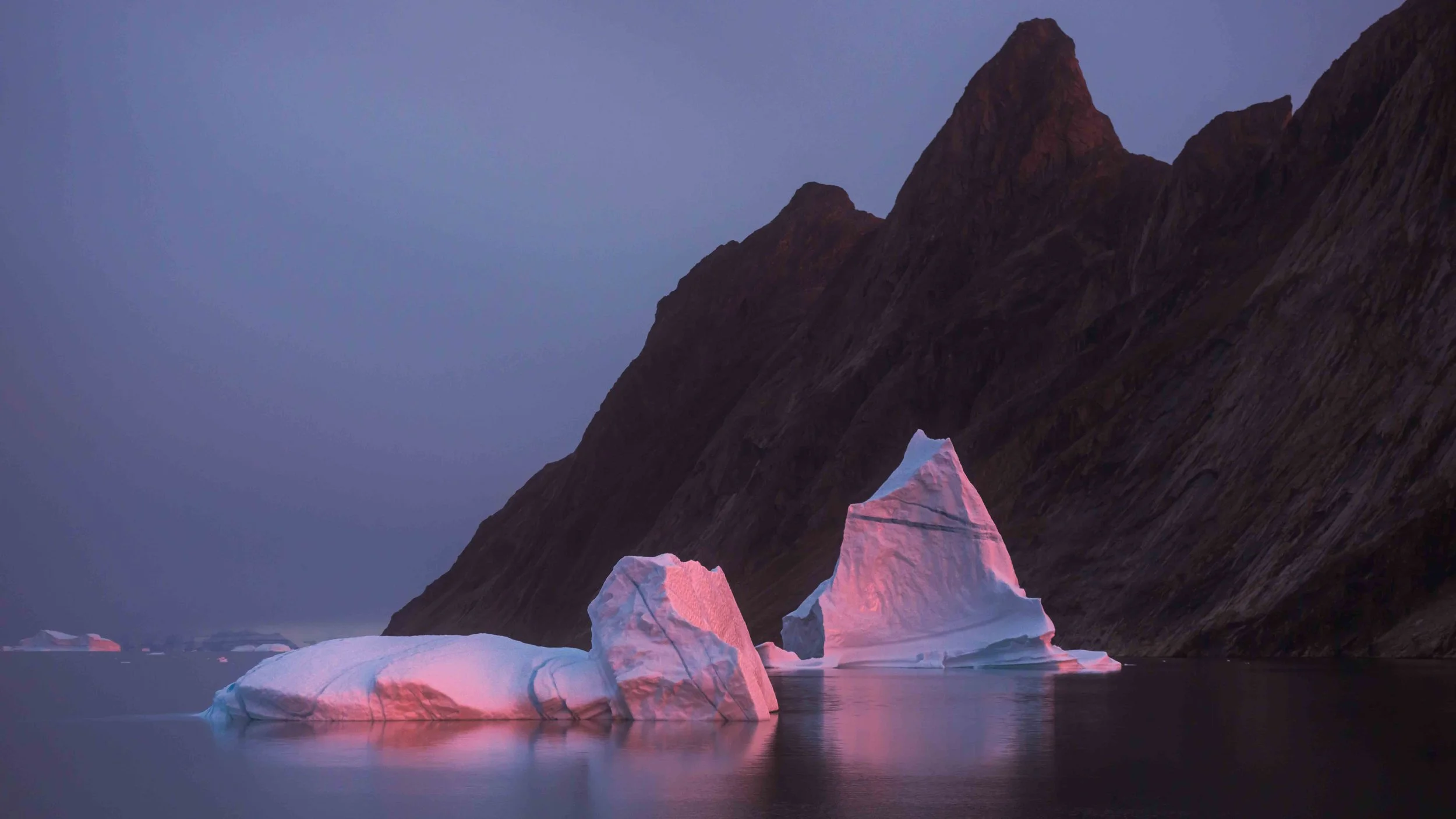
Icebergs in Greenland

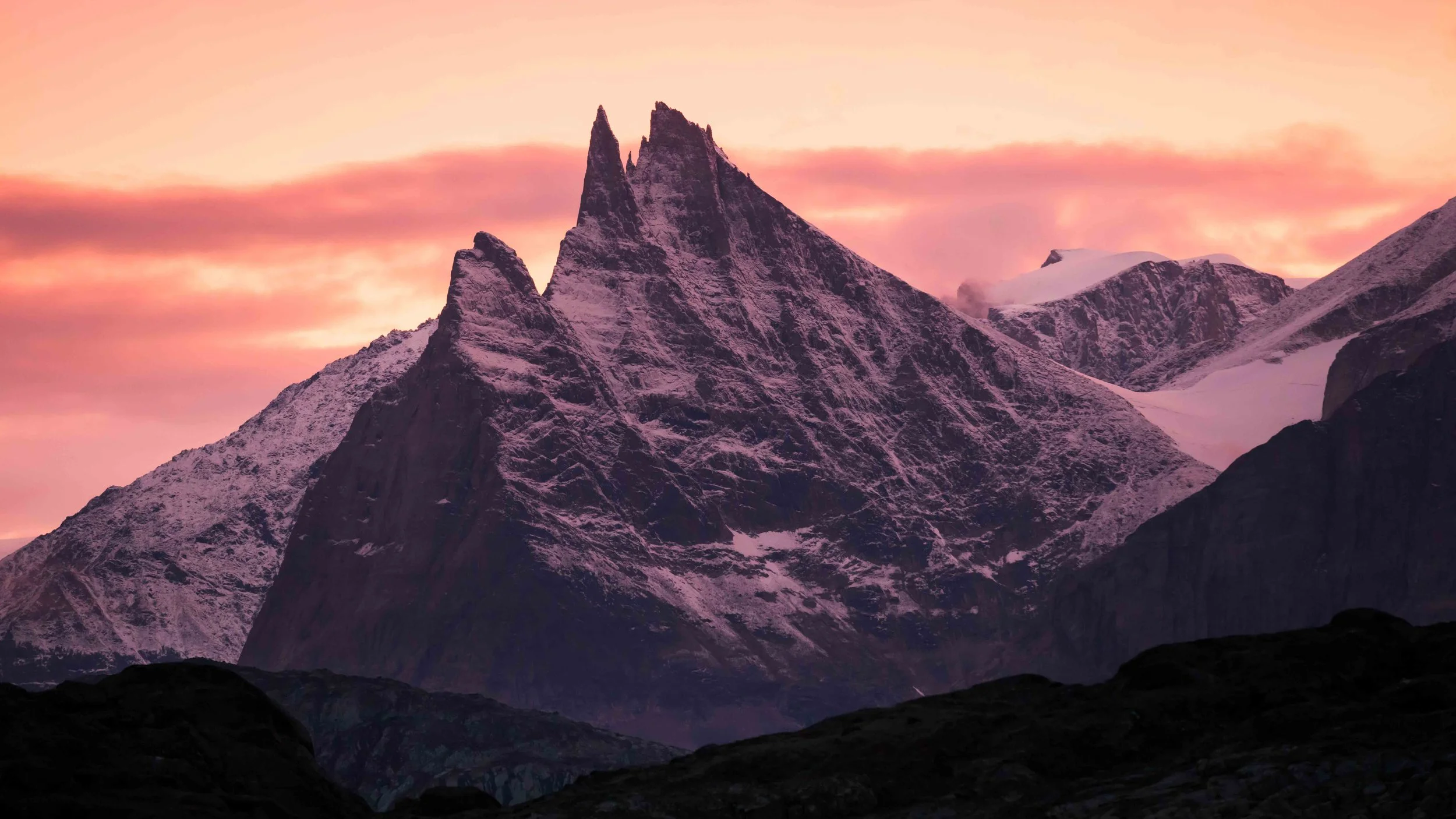
Majestic mountains, Greenland